
ABS redesigned a spindle solution for steel rolling mills using a one-piece configuration and split cylindrical roller bearing technology, improving reliability and reducing maintenance downtime.
Advanced One-Piece Spindle Solution for Steel Rolling Mills
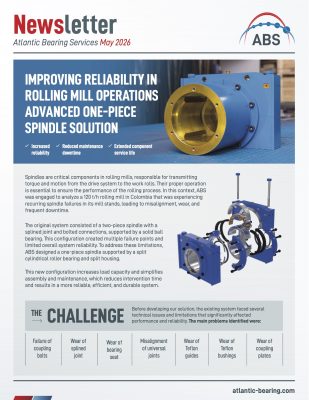
Download the project: Access the project in PDF format
ABS has redesigned a Spindle Solution to improve reliability in steel rolling mills, based on a one-piece design and split cylindrical roller bearing technology.
- Sector: Steel Industry
- Equipment: Steel Rolling Mill
- Criticality: High — critical asset where spindle performance directly impacts production continuity and maintenance efficiency, addressed through an application-driven redesign.
-
Key Factors: One-piece spindle design — eliminating failure-prone joints | Split cylindrical roller bearing — improved load capacity and alignment | Reduced maintenance downtime — faster interventions | Enhanced reliability under demanding rolling mill conditions
Advanced one-piece Spindle solution for steel rolling mills | ABS & ACB Custom Bearings
Engineering Brief: The context
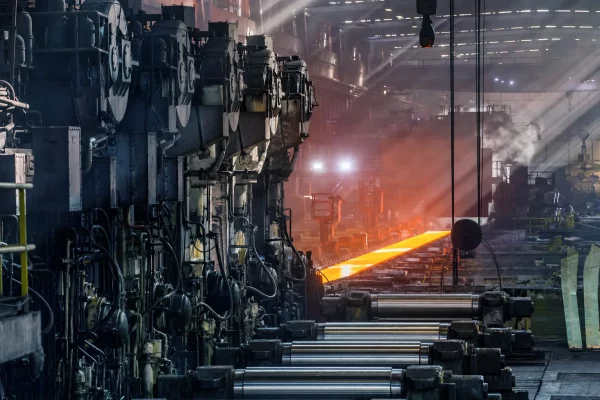
Spindles are critical components in rolling mills, responsible for transmitting torque and motion from the drive system to the work rolls. Their proper operation is essential to ensure the performance of the rolling process. In this context, ABS was engaged to analyze a 120 t/h rolling mill in Colombia that was experiencing recurring spindle failures in its mill stands, leading to misalignment, wear, and frequent downtime.
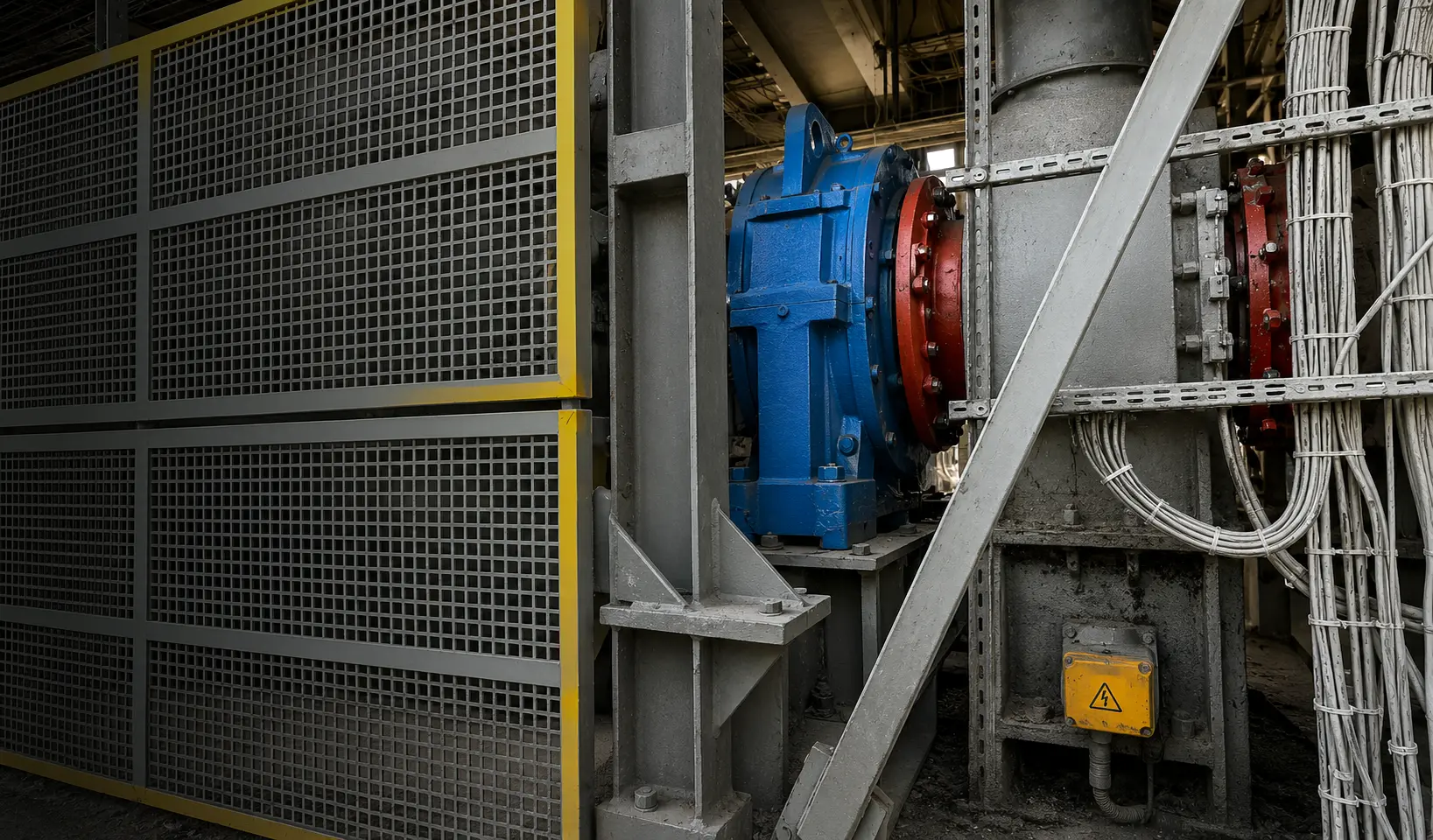
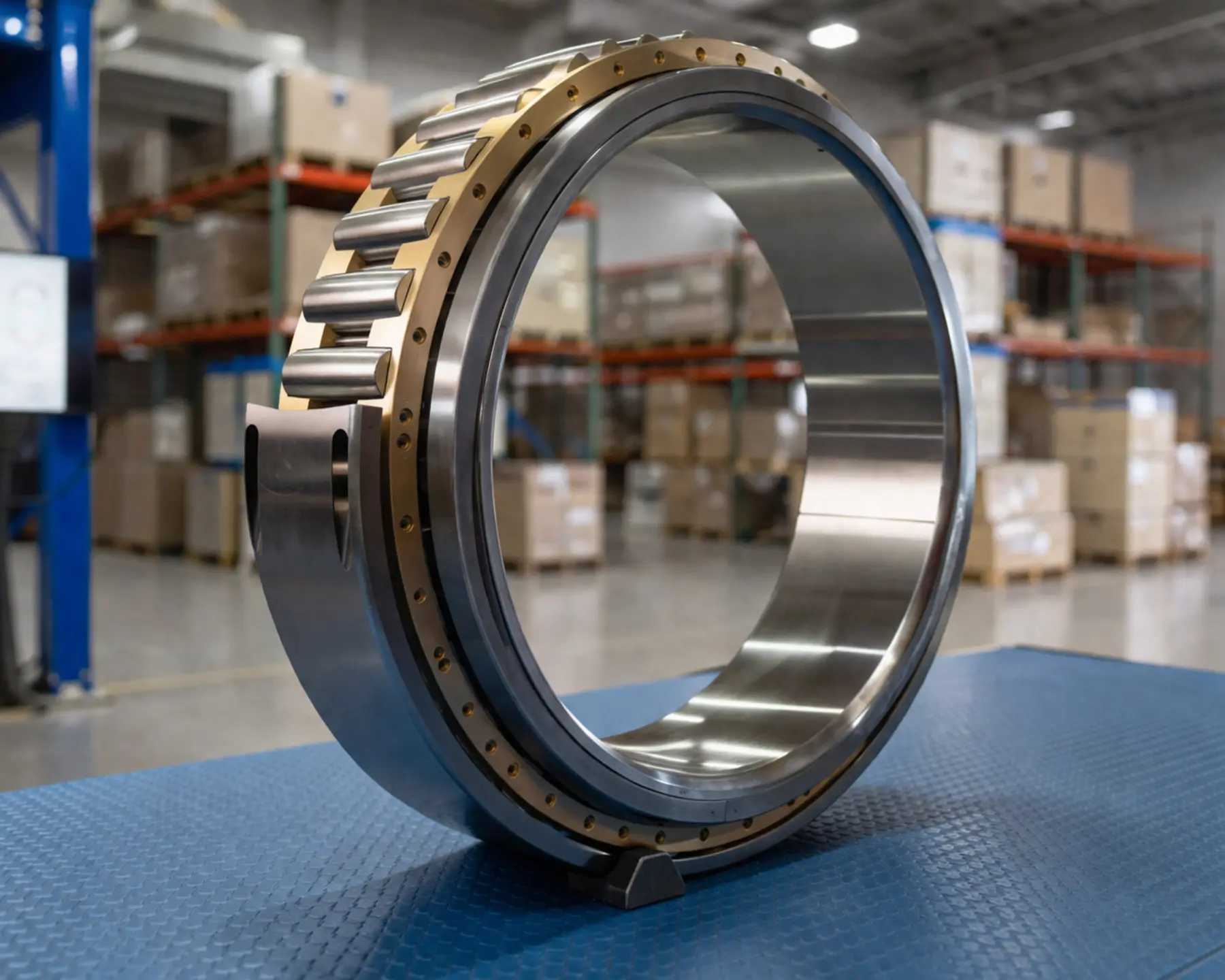
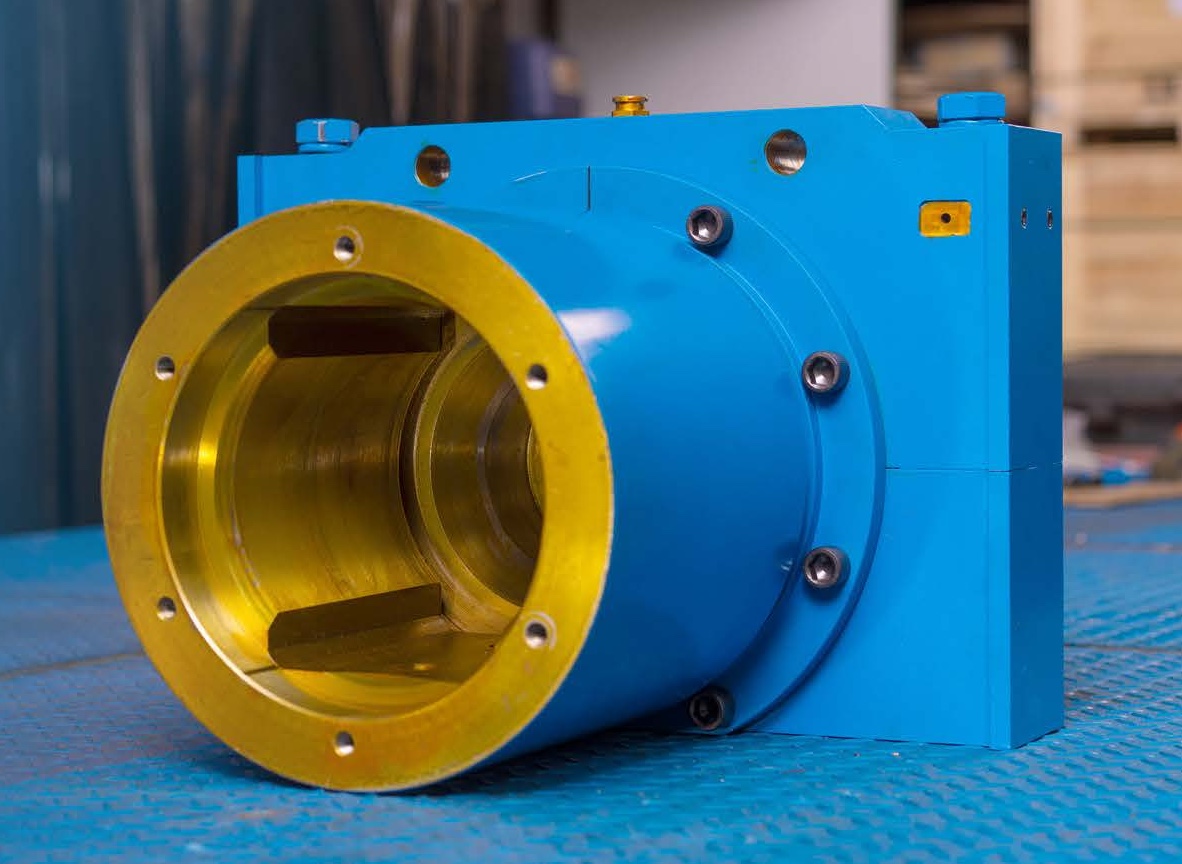
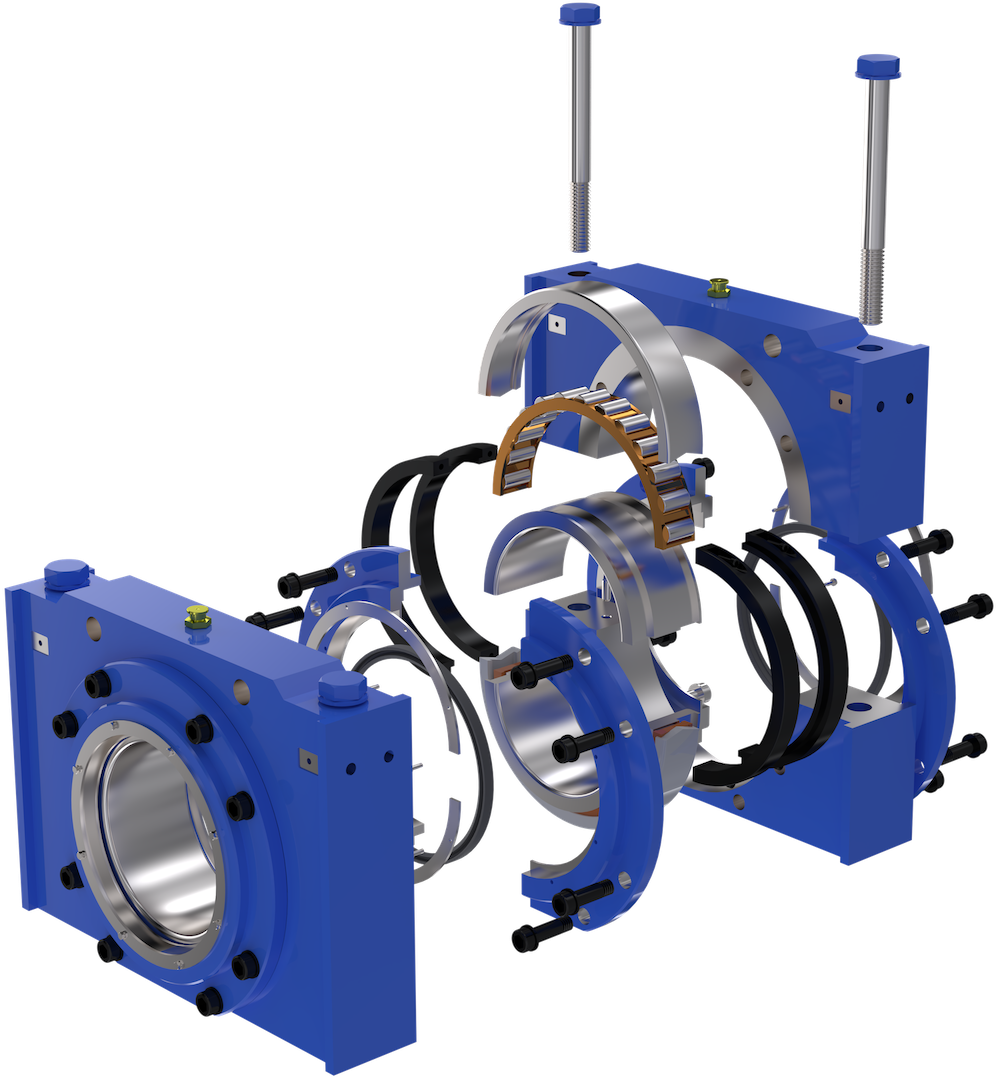
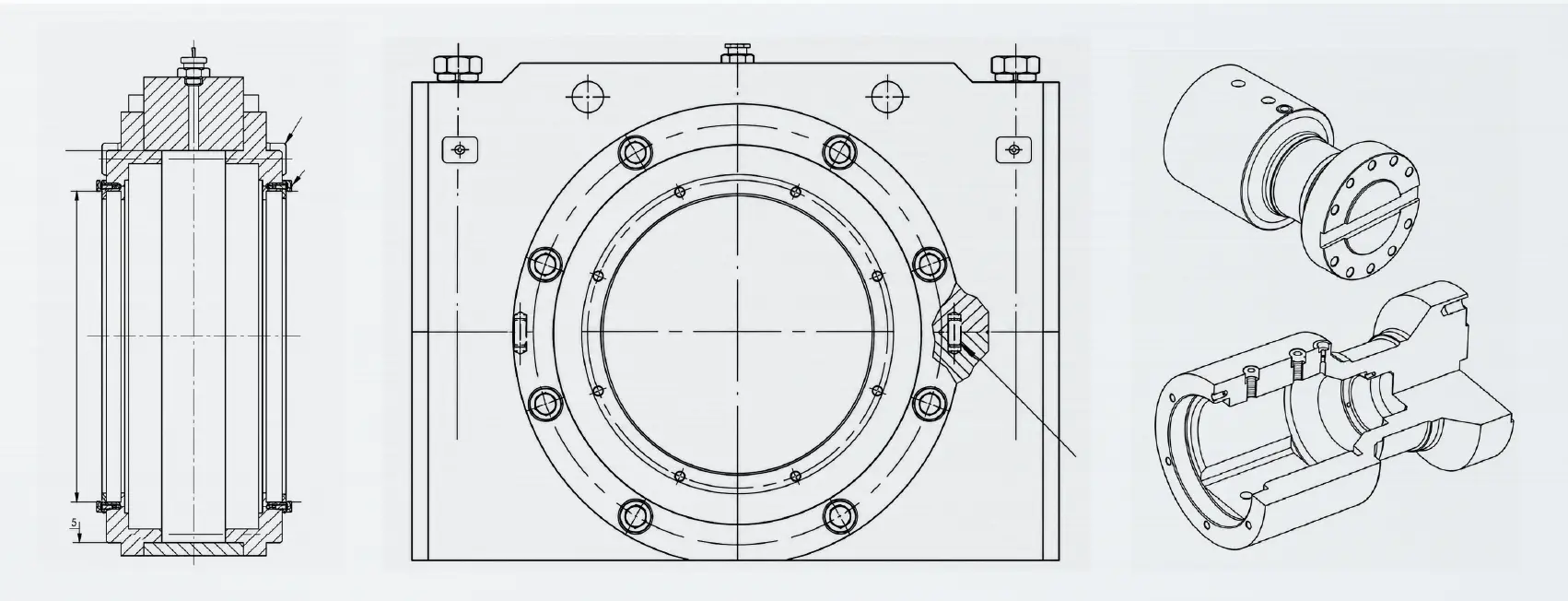
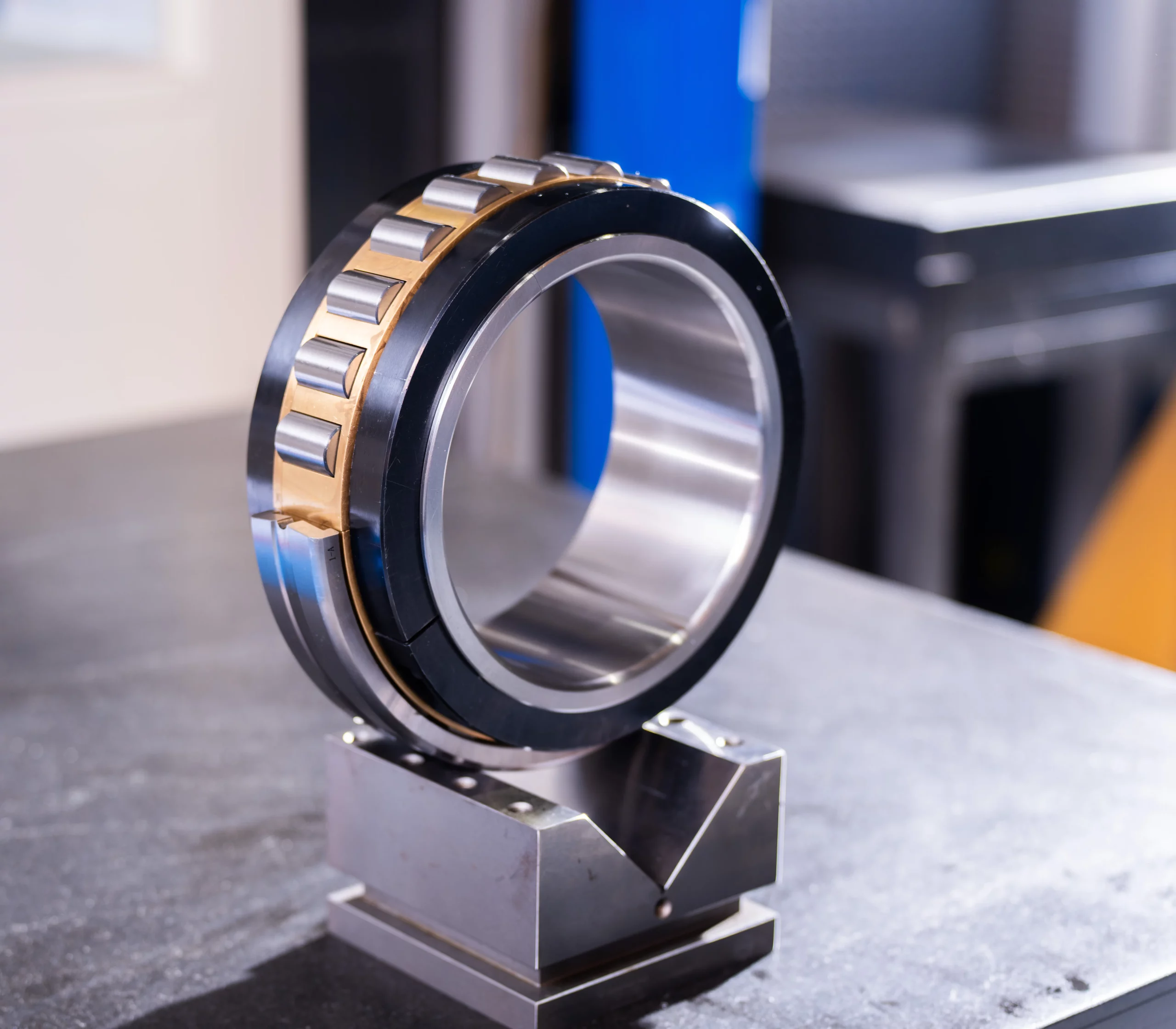
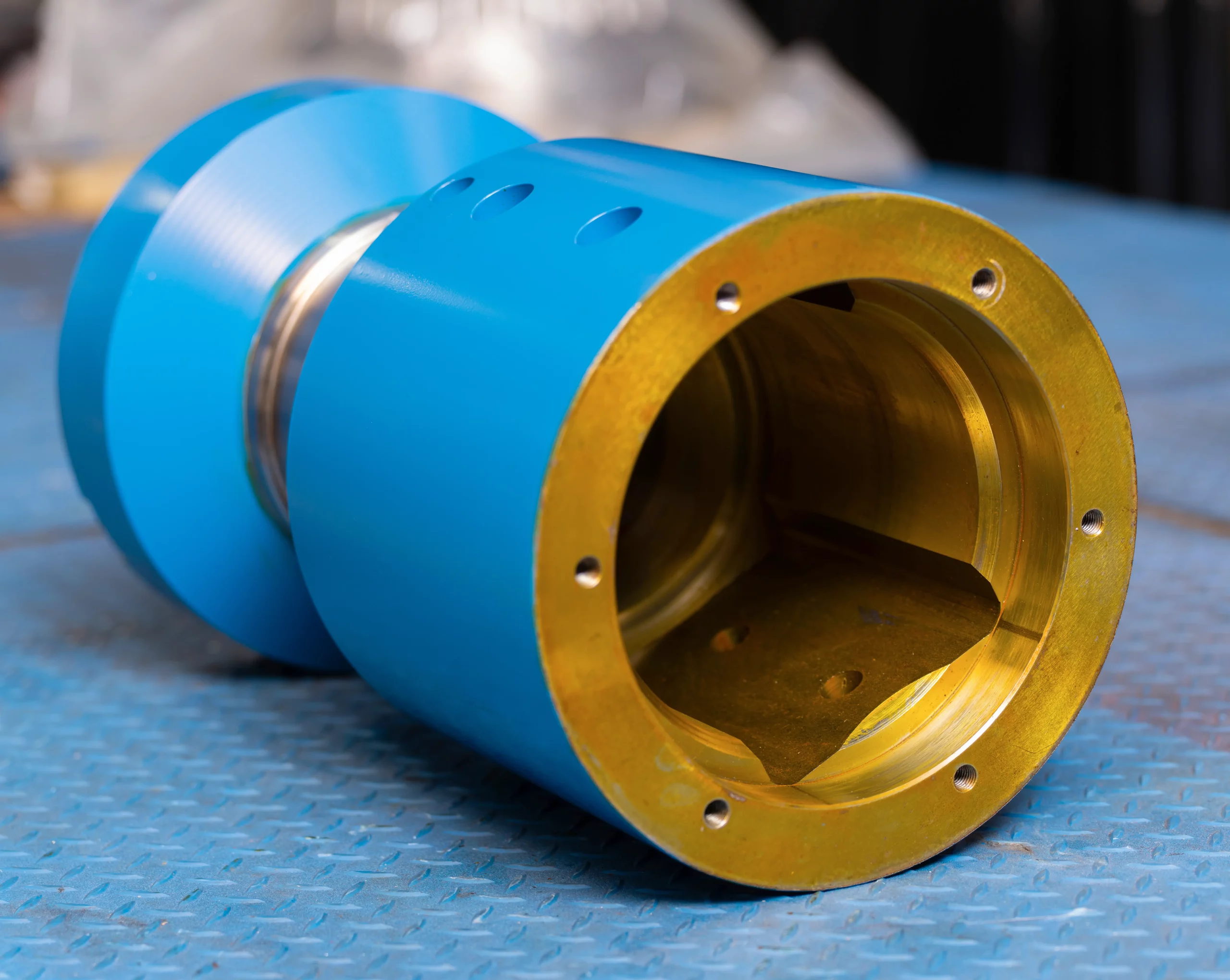
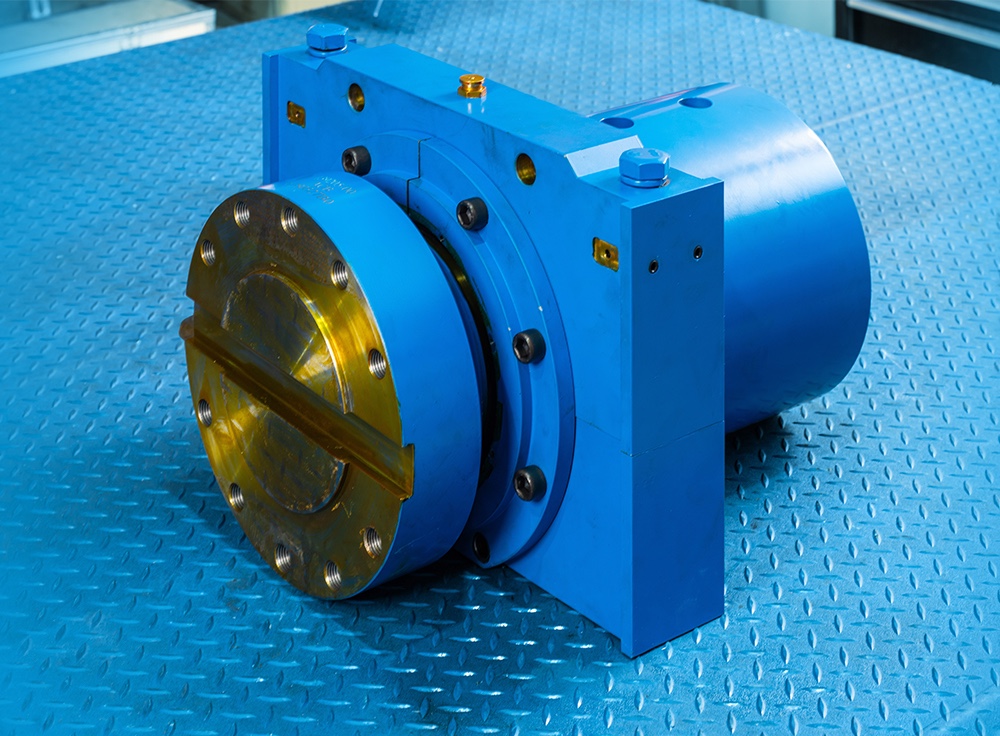
The original system consisted of a two-piece spindle with a splined joint and bolted connections, supported by a solid ball bearing. This configuration created multiple failure points and limited overall system reliability. To address these limitations, ABS designed a one-piece spindle supported by a split cylindrical roller bearing and split housing.
This new configuration increases load capacity and simplifies assembly and maintenance, which reduces intervention time and results in a more reliable, efficient, and durable system.
The Challenge
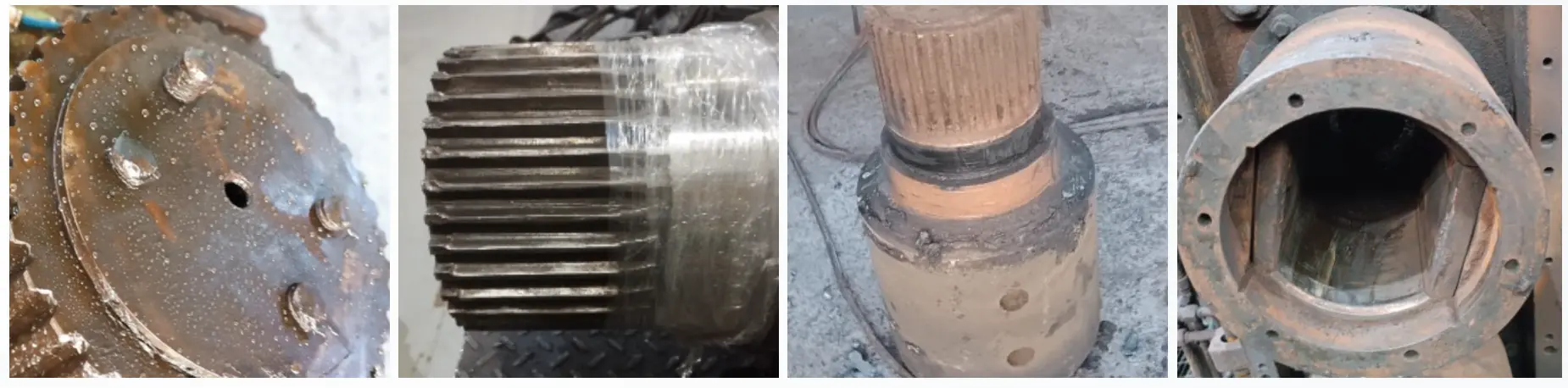
Before developing our solution, the existing system faced several technical issues and limitations that significantly affected performance and reliability. The main problems identified were:
- Coupling bolt failure
- Bearing seat wear
- Teflon guide wear
- Splined joint wear
- Universal joint misalignment
- Teflon bushing wear
- Coupling plate wear
Before the redesign:
The ABS Solution
To overcome the limitations of the existing system, we implemented a complete redesign of the spindle and its support assembly. Our solution focused on three key areas:
Aquí tienes el texto extraído:
Redesign of components:
We replaced the original two-piece spindle with a one-piece design, eliminating the splined joint and bolted connections that were prone to failure. This improvement enhances structural integrity and ensures more efficient power transmission to the work rolls.
Applied innovations:
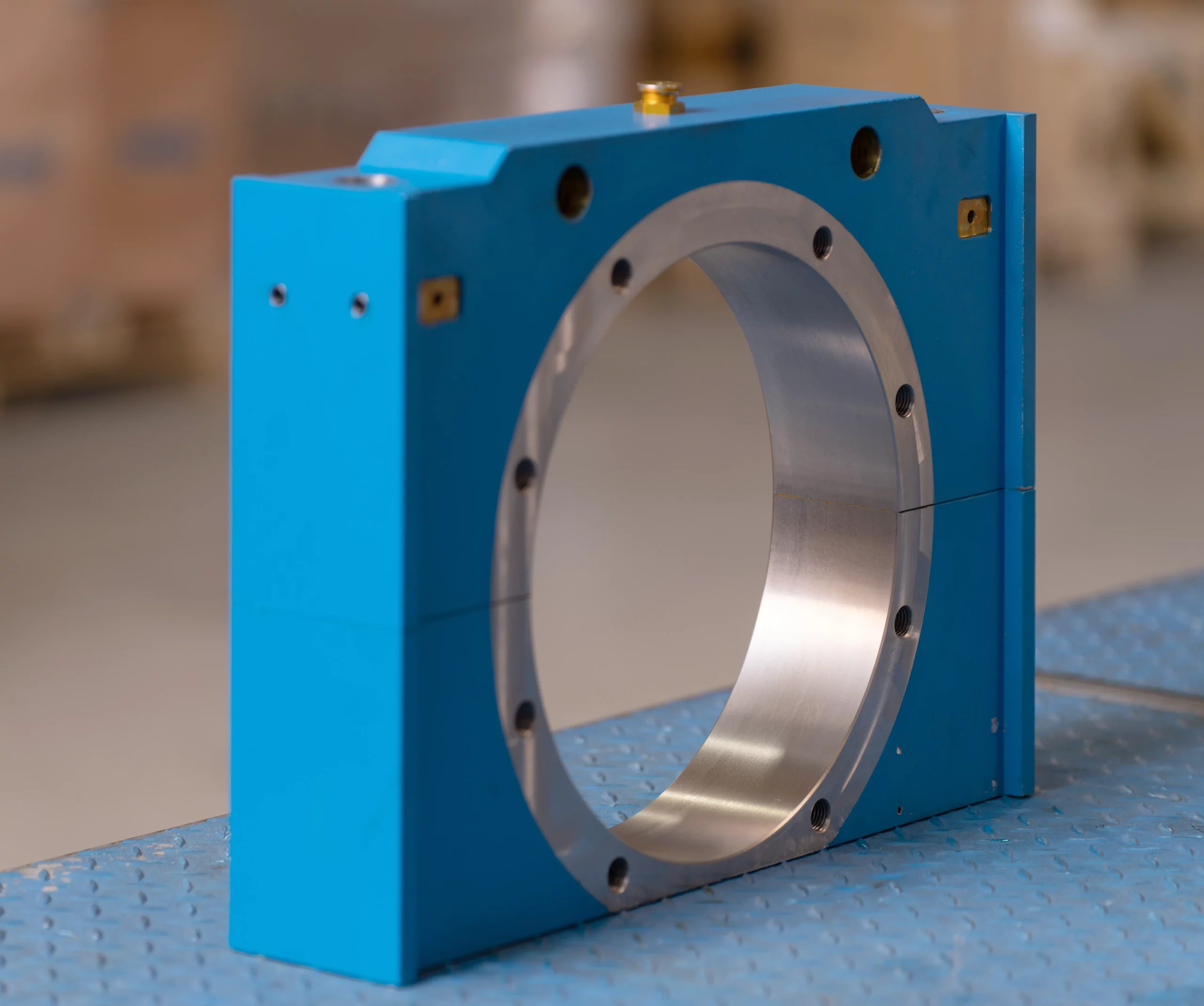
Instead of a solid ball bearing and housing, we incorporated a split cylindrical roller bearing with a split housing. This solution increases load capacity, reduces stress concentration and premature wear, and simplifies installation and disassembly, making maintenance faster and more efficient.
Key technologies:
By combining cylindrical roller bearing technology with a split housing design, we achieved higher durability, improved alignment, and easier access during servicing. These advancements extend the service life of critical components while minimizing downtime and maintenance costs.
Engineering Highlights
Developing this solution required a rigorous engineering approach to ensure reliability and performance under demanding rolling mill conditions. Our work focused on the following key aspects:
- Stress analysis and simulations: We conducted Finite Element Analysis (FEA) to identify critical stress zones, confirming that the one-piece spindle reduces stress concentrations and improves load distribution. Calculations also verified the superior load capacity of cylindrical roller bearings.
- Materials and configurations: We used high-strength alloy steel for greater fatigue resistance and durability. The split bearing and housing were designed for precise alignment and efficient load transfer under heavy conditions.
- Structural and maintenance improvements: The one-piece spindle removes failure-prone joints, while the split bearing and housing design minimize downtime, enhance durability, and reduce maintenance costs.
Operational Benefits
The implementation of the redesigned spindle and bearing system delivers measurable improvements.
Increased reliability: A one-piece spindle design and roller bearing technology reduces failure points and enhances overall system robustness.
Lower maintenance costs: The split bearing and housing simplify assembly and disassembly, reducing labor hours and spare part consumption.
Higher equipment availability: Faster maintenance and fewer unexpected failures minimize downtime, ensuring continuous production.
Extended service life: Improved load capacity and optimized material selection extend the lifespan of critical components.
ABS: a trusted engineering partner for the Steel industry
The implementation of this solution eliminated recurring spindle failures and improved overall reliability in the rolling mill. The transition from a two-piece to a one-piece spindle, combined with split cylindrical roller bearing technology, reduced failure points, simplified maintenance, and shortened intervention times under demanding operating conditions.
This project demonstrates the value of an application-driven engineering approach, where design, materials, and component selection are adapted to the specific requirements of each installation.
Through the combined capabilities of ABS and its industrial brands — ACB Custom Bearings, AEC Engineering Chains, and MGS Gears & Gearboxes — the group delivers integrated solutions for critical power transmission systems, supporting the steel industry with proven experience in complex and high-load environments worldwide.