

After more than 50 years without crewed missions, humanity is once again returning to the Moon.
We recognize Artemis II as a defining step in humanity’s return to the Moon. It is not just a launch. It is a signal of how far engineering has evolved, and how much of its foundation remains unchanged.
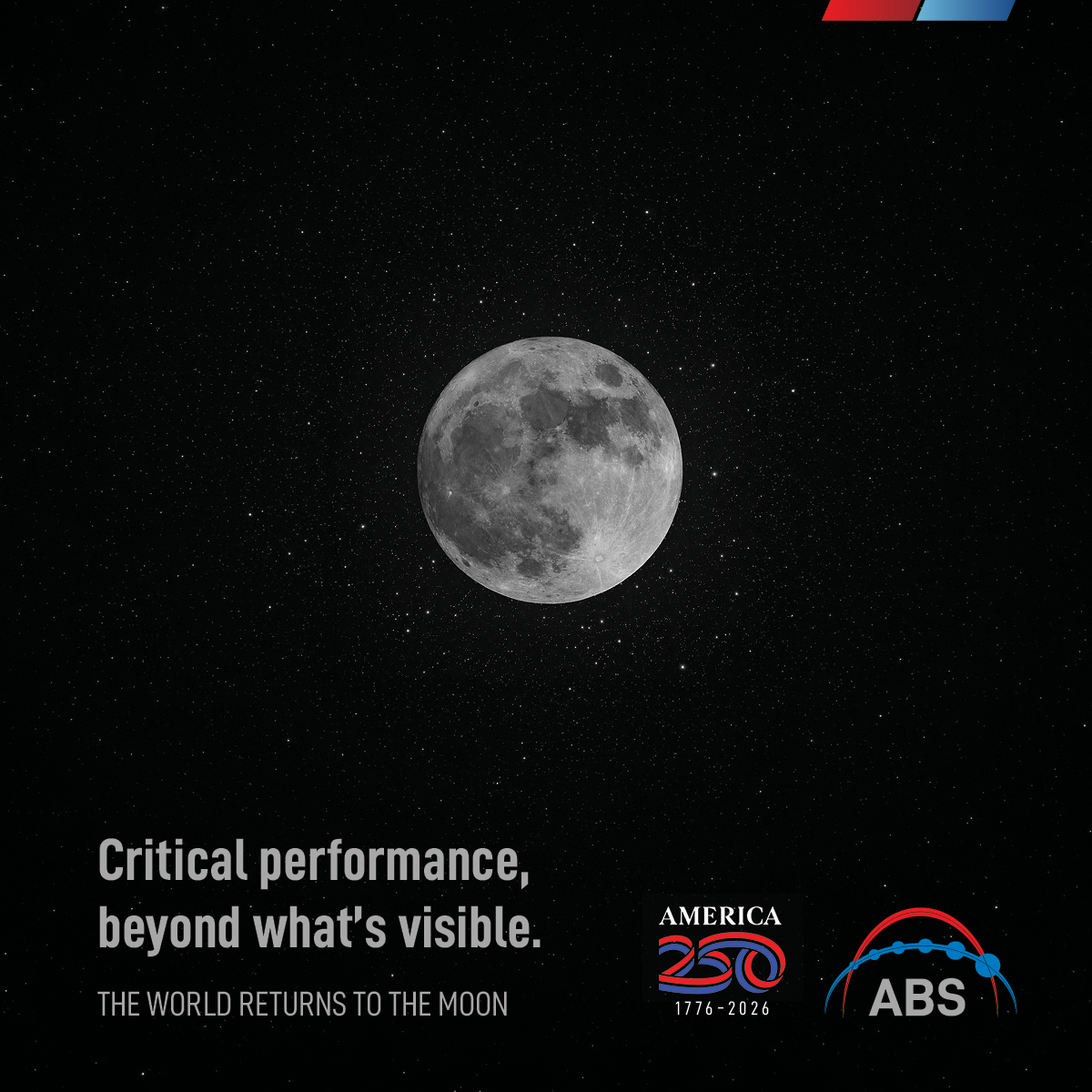
Artemis II: Where Precision Becomes Non-Negotiable
Artemis II marks the return to crewed lunar missions with more advanced tools, better data, and more capable systems. But the core challenge remains the same: execution under extreme conditions.
What makes this mission possible is not the launch itself, but the coordination of thousands of components operating in synchronization, with no margin for error.
RS-25 engines drive turbopumps at speeds near 35,000 rpm, handling liquid hydrogen and oxygen under cryogenic temperatures and high pressure. At the same time, guidance systems depend on precise control, where friction and alignment directly impact trajectory.
Across the vehicle, rotating interfaces, valves, and alignment systems operate simultaneously under vibration, thermal stress, and rapidly changing loads.
This is engineering design and execution under constraint, where reliability is not optional.
The Constant Behind the Progress
Technology has changed, but the foundation has not. Missions like Artemis II still depend on the ability to understand complex systems, work with incomplete information, and make decisions under uncertainty.
As Artemis II moves humanity back toward the Moon, it also reminds us of something deeper: progress is not built only on innovation, but on precision, discipline, and the ability to perform when failure is not an option.
Every mission that pushes the boundaries of exploration depends on the people, systems, and engineering decisions behind it. The technology may evolve, but the responsibility to execute with accuracy remains constant.
That is what ultimately makes missions like Artemis II possible.